Skip to content

Congratulations 2026 EcoChallenge Winners!

The Shane McConkey EcoChallenge empowers students around the world to identify environmental challenges in their communities and create innovative, action-oriented solutions. This year’s submissions showcased extraordinary creativity, scientific research, community leadership, and environmental stewardship from students of all ages.

From renewable energy innovation and habitat restoration to textile waste reduction and climate education, these student-led projects are proof that the next generation is already shaping a more sustainable future.

Congratulations to all of our 2026 EcoChallenge entrants, winners and honorable mentions. You are all making inspiring change for our planet!

Extreme Winners

Participants: Arya Gurumukhi

Team Advisor: Amanda Miller

The Bionic Leaf project tackled global energy insecurity and climate change by developing a renewable fuel system inspired by photosynthesis. Using bacteria, sunlight, water, and specially engineered catalysts, the project created a sustainable method for producing alcohol-based fuel without relying on fossil fuels. Arya spent more than two years refining the technology through extensive laboratory testing and over 100 prototype iterations. The project is now being tested in more than 15 communities and has also reached thousands of students through STEM workshops and environmental education efforts. The Bionic Leaf stood out for its scientific complexity, innovation, scalability, and potential real-world impact.

Participants: Arush Shangari

Team Advisor: Danielle Poché

Project IRIS (Integrated River Intelligence System) focused on improving river monitoring, environmental data collection, and waterway protection through advanced technology and environmental research. The project addressed growing concerns around river health, pollution, and ecosystem degradation by developing tools that improve monitoring and public understanding of freshwater systems. Through innovative research and scientific problem-solving, Project IRIS demonstrated the potential for technology-driven environmental protection.

Participants: Sophia Yuan

Team Advisor: Wenli Chen

Clean Choices Together focused on helping communities better understand how individual daily decisions contribute to larger environmental challenges. Inspired by observations made while spending time outdoors, the project encouraged more sustainable consumer behaviors and environmental awareness through education, outreach, and community engagement. The project emphasized that small changes in personal habits can collectively create significant environmental impact.

Participants: Matthew Kwon

Team Advisor: Richard Perl

The TerraCycle Student Ambassador Program focused on reducing waste through recycling education, community participation, and sustainable disposal initiatives. The project encouraged students and community members to rethink waste management practices while promoting responsible recycling behaviors and increased environmental awareness.

Participants: Sarina Virmani

Team Advisor: Prathima Setty

Sustainable Spark examined the environmental impact of large-scale data centers and energy consumption within the student’s local community. The project explored how rapidly expanding digital infrastructure contributes to energy demand and environmental strain while encouraging more sustainable technology practices and greater awareness around energy usage.

Participants: Pareena Gupta

Team Advisor: Varupi Gupta

The Sustainability Lens focused on making climate research and environmental information more accessible to the public. The project addressed the challenge of translating complex scientific information into understandable and actionable content for broader audiences. Through communication, education, and environmental storytelling, the project aimed to improve climate literacy and empower communities to engage more effectively with sustainability issues.

Black Diamond Winners

Participants: Nathan Tan, Saketh Chebrolu

Team Advisor: Mary May

Shared Skies Initiative developed an environmental project focused on protecting ecosystems, improving sustainability practices, and strengthening environmental awareness through collaborative action. Their project demonstrated thoughtful research, community engagement, and innovative environmental problem-solving while encouraging broader participation in environmental stewardship efforts.

Participants: Parvathy Gopikrishna

Team Advisor: Parvathy Gopikrishna

WaterWatch Westchester focused on water quality, conservation, and environmental monitoring efforts within their local community. Through research, testing, and public education, the project highlighted the importance of protecting freshwater resources and promoting responsible environmental practices that support long-term ecosystem health.

Participants: Shant Ispendjian, Hyejun Yun, Arman Rostomyan, Nadelina Agopoglu, and Anahit Karapetyan

Team Advisor: Dr. Mindi Schneider

Saving the Sea Organization created a project centered on ocean conservation, marine ecosystem protection, and reducing environmental threats to aquatic life. Their work emphasized the importance of protecting marine environments through awareness campaigns, environmental education, and sustainable action initiatives.

Participants: Marcela de Oliveira Fernandes, Laura Remor

Team Advisor: Rosana Honorato

Abya Yala developed a project focused on environmental sustainability, cultural awareness, and community-based environmental solutions. Through research and advocacy, the team explored the connections between environmental protection, local communities, and long-term sustainability practices.

Blue Square Winners

Participants: Ben Johnson, Sasha Koziol, Eleanor Zdarsky, Elias Persons, Fiona Brenner, Lucy Wiegand, Evelyn Wiegand, Matthew Smolinski, Collin Wojciakowski, Penelope Rubalcado, Juniper Chase, and Adelaide Minor

Team Advisor: Amy Paul

Habitat Creators focused on the growing problem of habitat loss and fragmentation affecting local wildlife populations. The team researched how development and human activity disrupt ecosystems and reduce safe habitat areas for native species. To address the issue, the students implemented habitat restoration efforts designed to support biodiversity and improve ecosystem health within their community. Their project combined scientific research, environmental stewardship, and hands-on restoration work to create meaningful local environmental impact.

Participants: Dorian Lazzara

Team Advisor: Marie Murphy

Dorian Lazzara’s project examined the environmental impact of institutional food systems, specifically focusing on the carbon footprint associated with food production, waste, and distribution. The project explored opportunities for more sustainable food practices and encouraged greater awareness around the environmental consequences of everyday food choices. Through research, education, and community-focused solutions, the project highlighted how schools and institutions can reduce waste and support more sustainable systems.

Participants: Eisley Burdett, Reid Carden, Jaxon McGrew, Sarah Oliphant, Eli Sattler, Annika Cooperlandsverk

Team Advisor: Julia Zimmerman

The A Team focused on the environmental dangers posed by abandoned barbed wire fencing left in natural areas. The students discovered that leftover fencing materials can injure wildlife and create long-term hazards for local ecosystems. Their project involved identifying, removing, and properly disposing of dangerous fencing materials while educating the community about land stewardship and wildlife protection. Through hands-on environmental cleanup efforts, the students directly improved safety for local wildlife and demonstrated strong community leadership.

Participants: Truckee Roundhouse and Mrs. Reid’s 2nd Grade Class at Truckee Elementary

Team Advisor: Mrs. Reid

The Stitch Squad tackled the growing environmental issue of textile waste and fast fashion. The students explored how clothing waste contributes to pollution and excessive landfill accumulation while encouraging more thoughtful and sustainable approaches to fashion and reuse. Through sewing, repurposing materials, and creative reuse projects, the students learned how small actions can reduce waste and extend the life of clothing and fabrics. Their project combined creativity, sustainability education, and practical environmental action at an early age.

Green Circle Winners

Participants: Hayden Saunders, Naiael Ferron, Kavari Brown, Catherine Ferguson, Gina Ding, William Matthews, Julian Moschen, Emily Nguyen, Sue Nguyen, Tyler Nguyen, Kalina Racic, Ally Stone, Pavel Tadic, Charlie Zhao, Ruby Trinh

Team Advisor: Mistie Dickenson

North Cross Trash to Treasure focused on reusing, recycling, and upcycling discarded materials to create an art installation for their school’s International Day festivities. The team explored the environmental impact of waste and consumer culture while demonstrating how creative reuse can reduce landfill waste and inspire community conversations about sustainability. Through collaborative art-making, the students transformed unwanted materials into an engaging educational display that highlighted the importance of environmental responsibility and resource conservation.

Participants: Sienna Hartman, Brisa Morken, Conner Harris

Team Advisor: Kelly Nourse

The Climate Crew developed a student-led environmental project centered on climate awareness, sustainability education, and practical community action. Their work encouraged peers and community members to better understand the environmental challenges facing the planet while promoting realistic ways individuals can reduce their environmental footprint. Through education, outreach, and hands-on environmental action, the team demonstrated leadership and a strong commitment to protecting the future of their community.

Participants: Andrea and Estrella

Team Advisor: Kelly Nourse

Bag it Forward addressed the environmental impact of single-use plastics and fast fashion by encouraging reusable alternatives and more sustainable consumer habits. The team recognized how disposable shopping bags and excessive clothing waste contribute to pollution and landfill overflow. Their project focused on promoting reusable bags, encouraging sustainable shopping behaviors, and raising awareness about the environmental consequences of unnecessary waste. Through community engagement and education, the students inspired others to make more environmentally conscious choices in their everyday lives.

The Shane McConkey EcoChallenge continues to demonstrate the power of youth innovation and environmental leadership. Every student who participated in this year’s program contributed meaningful ideas, research, and action toward building a more sustainable future.

We are incredibly inspired by the creativity, determination, and environmental stewardship shown by all of our participants and look forward to seeing how these young changemakers continue to impact their communities and the world.

Shane McConkey Ecochallenge

Projects Due by Earth Day.

The Shane McConkey EcoChallenge empowers young people to learn about environmental issues in their community, engage in critical thinking to identify innovative solutions, and take action as EcoChallengers for the planet. Enter by April 22, 2027 at 11:59pm PST.

CLEAN UP YOUR SCHOOL

CLEAN UP A WATERWAY

Create Art

protect wildlife

Inspire others

Plant some trees

Entering is Easy!

We launched the EcoChallenge eight years ago to support up-and-coming environmental thinkers with the global understanding, geographic knowledge, and skills to solve our world’s most pressing problems.
  1. Choose an environmental issue
  2. Work as a team or on your own
  3. Enlist an advisor (teacher, parent, local leader)
  4. Create a plan to address your chosen issue
  5. Put your plan into action
  6. Report results via a super simple online form
  7. Winners announced in May!

BONUS: Students who submit great photos and video of their team and project will receive an additional prize!

Calling All Educators!
Want to inspire the next generation of environmental leaders? We have easy-to-use lesson plans align, recommended timelines, submission checklists, and a step-by-step tool kit all designed to work seamlessly in your classroom. Check them out:

Win $27,250 in Prize Money

Awards for the Shane McConkey EcoChallenge will be judged in following categories. The extent to which you take your action plan will determine how your project is judged and rewarded. Individuals may enter and teams will be limited to groups/classrooms of no more than 30 students.

Extreme EcoChallengers

An Extreme EcoChallenge project addresses a large-scale environmental issue and provides a solution that disrupts the status quo. These projects will change our world for the better.

1st Place wins $5,000

2nd Place wins $4,000

3rd Place wins $3,000
Advanced EcoChallengers

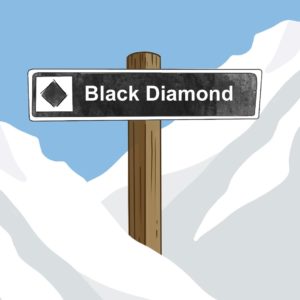
These challengers are true battle-born eco-warriors with ninja-like skills at fighting climate change. They will stop at nothing to engage their community and community leaders get involved with their problem-solving initiative, taking action to make change a reality. Black Diamond Challengers are not afraid to call on local governmental agencies, the media, and influential voices to make their problem heard. These Challengers know their end game and fight to make positive change a reality.

1st Place wins $4,000

2nd Place wins $3,000

3rd Place wins $2,000
Intermediate EcoChallengers

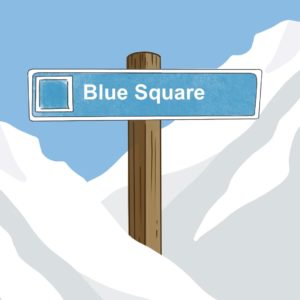
These EcoChallengers are eager to make the world a better place and are serious about generating tangible results from their actions. They apply research and data to prove their problem exists and they weave their findings into their action plan. They are deeply involved in generating awareness and support from their school, community, and environmental influencers to see their plan through with measurable results.

1st Place wins $2,000

2nd Place wins $1,500

3rd Place wins $1,000
Beginner EcoChallengers

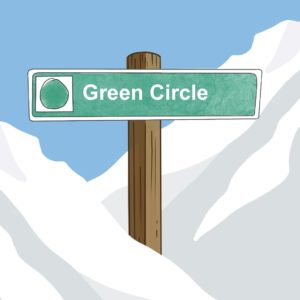
A Green Circle EcoChallenger can be an individual or team. These projects can be as simple as an art project created from upcycled materials, or a poem written to shed light on an environmental issue close to the Eco Challenger’s heart. This level offers kids a space to express their concern, love and commitment to the environment through whatever medium speaks to them.

1st Place wins $1,000

2nd Place wins $500

3rd Place wins $250

* Prize money will be delivered to the winner’s school or nonprofit organization of choice. Prize money cannot be delivered to individuals.

Every entry makes a world of difference

Every student who enters the Shane McConkey EcoChallenge is a winner because they have thought critically and creatively about their environment and taken an action to make a difference. From upcycled art projects to beach cleanups; composting initiatives to banning styrofoam in their cafetierias; our EcoChallengers have done some wonderful things. What will you do?

benefits of entering the Ecochallenge

Join the Cycle of Awesomeness!

Each year, we’ve been inspired by the ingenuity and creativity of young people around the country and we are energized to continue our momentum as there’s still more work to do to ensure a healthier and more sustainable future for all.

Watch the process In One Class:

Thank you, Encinitas Day School and Mr. decking Our 2019 Third Place Winners!

Thank you to our EPIC sponsors. We couldn't do this without you.
SPONSOR THE SHANE MCCONKEY ECOCHALLENGE

Back the EcoChallenge! Empower Students to Lead the Way in Environmental Action!

Shopping cart